xinjiang tianye group company limited
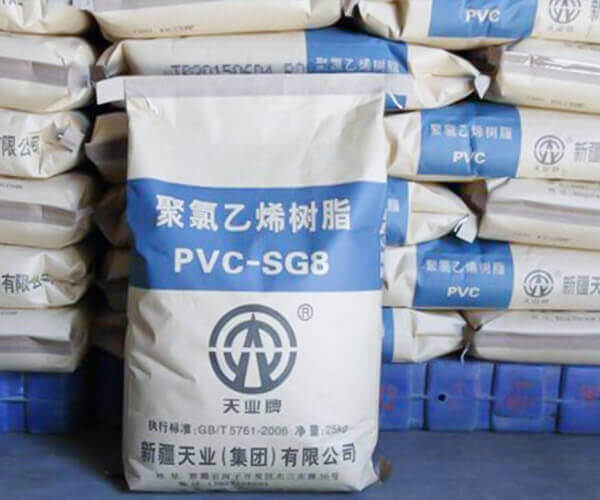
Xinjiang Tianye Group Company Limited has grown from a regional name to global recognition because of China’s ambitions in industrial manufacturing and agriculture. The company built its reputation with polyvinyl chloride (PVC) and caustic soda production, leveling up to become one of China’s biggest producers. What’s striking isn’t only its output but its deep relationship with the economic plans set by both regional and national governments. PVC sits at the core of manufacturing for everything from construction pipes to daily-use plastics, so companies like Tianye have an impact on daily life far beyond Xinjiang’s borders. China has often leaned on its northwest to power national manufacturing drives, chasing both modernization and global leadership in chemicals. Anyone watching this sector knows how quickly a company can grow when it aligns business goals with state policy, market appetite, and the never-ending demand for the basics of construction. Over the past years, news stories and rights groups have sounded alarms about forced labor, surveillance, and ethnic tensions within Xinjiang, affecting not only local families but global companies relying on its materials. Products stamped “Xinjiang” now trigger questions in foreign boardrooms. Companies like Tianye sometimes find themselves frozen out of global supply chains, not because of the product quality but because international buyers demand proof that workers have not been exploited. Tracing raw materials back to specific plants or labor sources remains a tough task for outside companies with limited ways to check accountability on the ground. Growing public demand for ethical sourcing pressured the Chinese chemical industry and all its clients—from automakers to retailers—to prove nothing evil lurks at the start of their supply chains. Talk with buyers, and it’s clear the world wants both low costs and clean hands, even if reality rarely offers both. That tension lands squarely on companies like Tianye, whose growth relies partly on trust far beyond China’s borders. Xinjiang relies on giants like Tianye for jobs and growth. The region needs stable employment, as economic opportunity can help cool tensions, offer hope, and keep the younger generation from drifting away from their hometowns. In my experience in Chinese manufacturing, local hiring always matters: steady jobs pay for school fees, new roofs, and groceries. Yet every industry boom in China tends to come paired with growing pains—pollution, workplace accidents, and the age-old dilemma between speed and safety. When factories scale up overnight, expectations for environmental stewardship and worker care often get left in the dust. That’s a trade-off no leader should ignore, because sustainable growth needs more than sheer output. Stakeholders want to hear about monitoring and fair wages, not just profit scores. The contradiction is real: as communities finally find a steady employer, both local and foreign eyes watch for signs of abuses made worse by that economic surge. The scale of Tianye’s operations puts serious pressure on water supplies, farmland, and air quality in a part of China already stressed by arid climate. Every ton of PVC made brings along energy use, chemical runoff, and a carbon footprint that’s tough to ignore. My visits to industrial China showed me how factories can play a tug-of-war with the local environment, especially when rapid expansion comes before long-term safeguards. Grassroots campaigns for cleaner air and water in Xinjiang struggle for visibility compared to those on the east coast, but pollution’s impact on health never stays hidden for long. Large corporations must balance modernizing their plants with protecting the fragile desert ecosystem. Regulators and activists alike argue for better reporting, cleaner tech, and enforced rules that stretch beyond minimum compliance. When industry leaders get this right, they set the tone for everyone else, showing smaller firms what’s possible for responsible growth. If big names shrug off sustainability, the message that profit comes first echoes down to every level of the supply chain. Transparency beats PR when global pressure lands on a company’s doorstep. Tianye and peers ought to get more serious about letting third parties observe conditions and audit labor practices. Voluntary transparency matters, because state-run or internal reports lack credibility in skeptics’ eyes. International buyers trust what they can verify; real data from the ground eases suspicion and allows responsible trade to flow. Pushing for more open reporting on labor, wage structure, and environmental impact in English as well as Chinese would signal good faith to the world. Tech brands and auto makers, who buy from the base of Chinese industry, should up the ante by refusing to look the other way on abuses. Instead, they could demand clearer, independent proof of clean practices right from the source—no exceptions. Investments in cleaner processing and better water management also shape how a company’s story lands on the world stage. Real partnerships with NGOs and universities—even limited ones—could pump fresh thinking into traditional factories often boxed in by old habits. Later, those who buy from Tianye have a big role to play. Firms in Europe, North America, and Japan hold weight in upstream supply chains and often drive change faster than official rules do. Auto, clothing, electronics, and construction supply deals can hinge on company reputation, pushing both buyers and sellers to improve with each contract. The sharpest progress I’ve seen in China’s industry has come under international pressure, not domestic law. Factories learn quickly when losing a big client means hard numbers in lost sales. It’s not fair for all responsibility to land at one company’s feet. Still, names like Tianye work in a fast-moving, high-stakes sector where missteps echo worldwide. If all players—producers, buyers, and regulators—focus on transparency and accountability, then Xinjiang’s industrial promise can better match the trust the world demands.